
...

Your trusted custom Tire Cover Manufacturer since 2007 !

Tire Covers for 4x4 Accessory Brands

Vehicle-specific tire cover development, private-label manufacturing, camera integration and scalable OEM supply for established off-road and automotive accessory brands.

  • Vehicle-specific programs cover Jeep Wrangler, Ford Bronco, Defender, Land Cruiser, Jimny, G-Class and other rear-spare platforms with tire-size and camera verification.
  • Digital samples are normally prepared in 1–3 working days; standard OEM samples in 3–5 days; camera samples in 5–7 days, subject to construction and artwork.
  • Production routes scale from 100–1,000-piece 4×4 brand programs to 50,000+ units, with fitment, artwork, material, QC, packaging and global fulfillment managed under one Szoneier workflow.
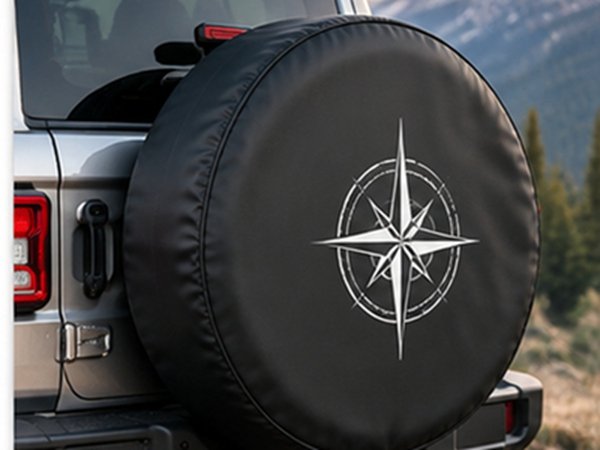
Built for 4x4 Accessory Product Programs

Szoneier combines vehicle-specific engineering with flexible sewn-product manufacturing so established brands can develop repeatable tire-cover SKUs across several vehicle, material and branding positions.

Vehicle-Specific Engineering

Fitment starts with the actual tire, vehicle generation, carrier and camera arrangement. Szoneier links those inputs to a controlled pattern and material choice instead of relying on wheel diameter alone. Jeep, Bronco, Defender, Land Cruiser, Jimny and other rear-spare platforms can be developed around OEM or aftermarket tire sizes. Validated fit references can then be reused when a brand adds new artwork or replenishes an established SKU.

Flexible Product Architecture

Programs can include universal, exact-fit, camera-compatible, custom printed, heavy-duty and premium automotive covers. Material, side depth, closure, reinforcement, branding and packaging can change by SKU while the project stays under one specification system. That structure is useful when a brand wants an entry model, core seller and higher-value upgrade. Product architecture is documented so upgrades remain commercially distinct without creating unnecessary pattern duplication.

Controlled Commercialization

Artwork, pattern revision, sample approval, material approval, packaging and QC are linked before bulk release. A product manager can review the physical and visual reference before production instead of discovering fit or print problems after inventory is built. Golden samples are used as the accepted standard for production, inspection and repeat orders.

Scalable Supply

Szoneier supports small development runs, 100–1,000-piece 4×4 brand programs and substantially larger OEM production. Standard 100-piece orders are commonly planned around 7–10 working days of production, while 500 pieces are commonly 10–15 working days before logistics, subject to material, structure, artwork mix and capacity confirmation. Volume expansion uses the same approved fitment, artwork and QC references established during development.

What Established 4x4 Brands Need From a Supplier

A tire cover becomes a branded automotive accessory only when fit, appearance, durability, supply continuity and SKU control remain aligned from development through replenishment.

Product Management

A product manager needs a defined path from idea to saleable SKU, not a quotation built around a generic round cover. Development should explain why a material, side depth, camera opening or closure is selected and how each revision affects cost, fit and appearance.
  • Requirement definition before pattern work
  • Prototype and fitment review before bulk
  • Golden sample and change control for repeat orders
Commercial review also includes packaging, target timing and the expected reorder path so engineering choices remain suitable after launch.

Sourcing & Procurement

Procurement needs comparable specifications and stable commercial assumptions. Quotes should separate material, printing, accessories, packaging and fulfillment so cost changes can be traced rather than hidden inside a single unit price.
  • Material grade and construction stated clearly
  • MOQ tied to process, not a blanket number
  • Production lead time matched to quantity and complexity
Approved specifications also make supplier comparison easier because competing quotes can be evaluated against the same material, construction and packaging assumptions.

Brand & Merchandising

Brand teams need a tire cover to look intentional beside the rest of the 4×4 range. Graphic scale, material texture, logo method, packaging and product tier should reinforce the intended market position instead of making every SKU look like the same low-cost printed cover.
  • Economy, core and premium positioning
  • Consistent logo and artwork placement
  • Retail-ready packaging options
Fitment and engineering evidence can remain in the background while the visible product language stays aligned with the brand’s automotive identity.

Aftermarket Operations

Aftermarket teams manage mixed vehicles, replacement tires and frequent model changes. A stable program needs a fitment method that can handle an owner who has replaced the OEM tire, added a carrier or changed a camera mount.
  • Tire sidewall confirmation before sizing
  • Camera and carrier checks where required
  • SKU records that can be reused for reorders
A documented compatibility path also gives support teams a clearer way to handle fitment questions after the product reaches the market.

Where Tire Cover Programs Usually Lose Control

The most expensive failures usually begin before final inspection. Early control of fitment, artwork, material and revision status prevents small specification errors from becoming batch problems.

Wrong Size Logic

Using wheel diameter as tire-cover size creates avoidable fit errors. A 17-inch wheel does not mean a 17-inch cover; overall tire diameter depends on section width and aspect ratio.
  • Read the actual tire sidewall
  • Calculate or verify outside diameter and width
  • Use a measured tire when modified setups create uncertainty
The released SKU should identify the validated tire platform so marketing, packing and reorders do not revert to wheel-size shorthand.

Camera Interference

A circular opening can still fail if its center position, reinforcement, housing clearance or tension is wrong. Fit can shift after the cover is stretched over the spare.
  • Confirm camera type and location
  • Control hole position from the approved pattern
  • Check finished installation and camera view
Installed evidence is retained with the approved version so future artwork changes do not reopen a solved camera-fit problem. The release record identifies the approved camera configuration so later reorders and graphic updates use the same validated geometry.

Artwork Drift

Graphics often move when a flat circular file is converted into a sewn product with seams, stretch and a camera opening. A visually centered file can look off-center after installation.
  • Establish a safe zone
  • Approve artwork on the production template
  • Lock the approved version before printing
A controlled production template also lets multiple graphics share one validated fit platform without re-centering every file by eye. The approved template also becomes the reference for future graphics using the same fit platform, reducing repeated manual positioning.

Material Mismatch

Higher denier or greater thickness does not automatically create the best 4×4 product. A material can be too stiff for fit, too heavy for fulfillment, difficult to print or unnecessarily expensive.
  • Match material to climate and price tier
  • Check print method and sewing behavior
  • Separate core and premium programs
Selection is documented as a product-positioning decision, allowing procurement to understand why an alternative material may or may not be acceptable.

SKU Instability

Mixed tire sizes, graphics and camera versions become difficult to control when item codes are created after production starts. Small errors then propagate into packing and reorders.
  • Assign SKU and pattern references early
  • Separate camera and non-camera versions
  • Connect packaging and barcode data to each SKU
The same identifiers should appear in production, QC and packing records so mixed programs remain traceable through final release. Clear identifiers also simplify inspection and receiving because the same SKU language follows the product through packing and replenishment.

Reorder Variation

A repeat order can look different when fabric lot, print settings, pattern revision or logo file changes without a controlled reference.
  • Retain the golden sample
  • Reuse approved material and artwork references
  • Record approved changes rather than replacing files informally
Approved changes create a new revision, making it possible to distinguish a planned product update from unintended production drift. A retained reference makes later differences visible and gives both sides a factual basis for deciding whether a change is acceptable.

Build a Tire Cover Range Around Real Market Positions

A focused 4×4 assortment can cover value, premium, heavy-duty, personalization and vehicle-specific demand without multiplying unnecessary constructions or confusing the brand architecture.

Exact-Fit Vinyl Cover

A fitted vinyl platform suits brands seeking a clean automotive appearance, repeatable sizing and broad branding options. Premium PVC, PU and marine-grade vinyl can be selected according to price target and exposure.
  • Best for vehicle-specific programs
  • Works with elastic or engineered rear openings
  • Suitable for digital, latex or UV graphics
  • Camera versions can use dedicated reinforced openings
A validated exact-fit base can support several artwork versions while preserving the same side depth, closure and installed profile.

Camera-Compatible Cover

Camera-compatible covers are designed around the rear camera and spare-carrier geometry rather than adding a hole after the cover is finished. Pattern, reinforcement and graphic safe zone are controlled together.
  • Relevant to Jeep JL/JLU and Ford Bronco programs
  • Camera position verified before production
  • Reinforcement supports the cut edge
  • Finished fit is checked on tire, fixture or vehicle
The opening is treated as a structural feature, so print placement and reinforcement are approved together rather than in separate late-stage decisions.

600D Outdoor Cover

600D Oxford is a strong core option for brands positioned around outdoor use, durability and textile construction. It balances weight and strength better than simply moving every program to the heaviest fabric.
  • Premium core textile position
  • Useful for off-road and outdoor ranges
  • Supports logo applications and selected printing methods
  • Typical material MOQ starts from 30 pieces
It can also serve as a consistent core tier when a range uses 420D below it or 900D as a higher-duty upgrade.

900D Heavy-Duty Cover

900D Oxford is aimed at extra-heavy-duty positioning where greater fabric mass and rugged construction are part of the product story. Added weight and packing volume should still be evaluated before selection.
  • Suitable for demanding outdoor programs
  • Useful for premium heavy-duty tiers
  • Typical material MOQ starts from 50 pieces
  • Best selected after weight, print and fulfillment review
Szoneier reviews whether the heavier textile delivers meaningful product value for the planned environment instead of using denier as a stand-alone claim.

Full-Color Graphic Cover

Printable PVC, PU or polyester can support detailed artwork, photography, multi-color graphics and frequent design updates. It is well suited to lifestyle collections, clubs, limited artwork drops and branded merchandising.
  • Full-color and variable artwork friendly
  • Digital-print paths can start at very low quantities
  • Artwork proofing controls scale and position
  • Elastic construction keeps the SKU architecture simple
A common fit platform can carry seasonal or regional artwork without changing the underlying pattern when size and camera requirements remain unchanged.

Premium Automotive Cover

Marine vinyl, premium PU and selected automotive-grade vinyl create a more refined surface and higher perceived value for Jeep, Bronco, Defender, G-Class and similar premium accessory programs.
  • Strong fit for exact-fit products
  • Better suited to premium texture and finish targets
  • Compatible with patches, labels and selected print methods
  • Camera and carrier details can be engineered into the pattern
Premium programs benefit from restrained branding, tighter visual fit and packaging that supports the higher product position at retail or dealer level.

Vehicle Platforms We Engineer for Rear-Spare Applications

Vehicle names guide product planning, while final fitment is released only after tire size, carrier, camera and pattern details are verified for the intended configuration.

Jeep Wrangler

Wrangler programs can span CJ, YJ, TJ/LJ, JK/JKU and JL/JLU generations, with different carrier and camera considerations across the range. Aftermarket tires are common, so actual sidewall data is treated as more reliable than a model name alone.
  • OEM and aftermarket tire sizes
  • Camera and non-camera constructions
  • Exact-fit or branded graphic programs
  • Premium vinyl and outdoor textile options
Fitment data is stored by validated configuration so a JK program does not silently inherit assumptions from a JL/JLU camera setup.

Ford Bronco

Bronco programs commonly require close attention to model year, trim, tire package, rear camera and spare-carrier arrangement. 30-, 32-, 33-, 35- and 37-inch tire platforms can appear across the market, but production sizing still starts from the actual tire specification.
  • Camera-compatible development
  • Exact-fit pattern control
  • Full-color or premium automotive finishes
  • Separate pattern records by validated configuration
Graphic approvals are linked to the correct camera safe zone because central artwork can be affected by the rear camera structure.

Defender & G-Class

Defender and G-Class applications often sit in a more premium accessory segment, making surface quality, exact fit and understated branding especially important. A clean installed profile is prioritized over a generic loose fit.
  • Premium vinyl or selected PU
  • Exact tire and carrier review
  • Refined logo methods and minimal graphics
  • Fitment evidence before bulk release
Material grain, logo scale and packaging can be developed to fit a premium accessory catalog rather than a promotional-goods presentation.

Land Cruiser & FJ

Land Cruiser and FJ Cruiser ranges are widely used in off-road, touring and overlanding markets. Tire upgrades are common, so the program should accommodate actual tire dimensions rather than relying only on factory fitment.
  • Heavy-duty and premium options
  • Outdoor-focused materials
  • Logo, patch or full-color branding
  • Pattern records for recurring vehicle groups
Programs can be segmented by core and heavy-duty material tiers while keeping a consistent fitment and branding system across the range.

Suzuki Jimny

Jimny programs can combine compact sizing with strong lifestyle and off-road branding. Fit still requires tire width, outside diameter and rear mounting details, especially where aftermarket wheels or tires are fitted.
  • Exact-fit soft covers
  • Graphic and premium appearance options
  • Flexible quantities for accessory collections
  • Pattern revision control for new configurations
Compact dimensions also make logo proportion and sidewall depth especially visible, so sample review focuses on the installed silhouette. Fitment evidence is retained for repeat use.

Other Rear-Spare 4x4s

Szoneier also develops covers for INEOS Grenadier, Nissan Patrol, Pajero/Montero, Hummer, Mahindra Thar, Force Gurkha, BAIC BJ40 and other rear-spare vehicles. New platforms enter an engineering workflow instead of being forced into an existing generic size.
  • Vehicle and tire data review
  • Photo-assisted fitment where needed
  • New pattern development
  • Sample validation before series production
New fitments receive their own validation status so a promising database match is not presented as confirmed production compatibility without evidence.

Fitment Engineering Starts With the Tire, Not the Wheel

Reliable fit comes from a defined chain of vehicle, tire, carrier, camera and pattern data, with physical verification added whenever database assumptions are not enough.

Actual Tire Size Comes First

A 4×4 model name is useful for navigation, but it is not sufficient for releasing a tire-cover pattern. Off-road vehicles are frequently fitted with aftermarket tires, lift packages, different wheel widths or replacement spares. Szoneier therefore prioritizes the actual tire sidewall specification before relying on OEM fitment data. Section width, aspect ratio and rim diameter are used to calculate theoretical outside diameter and width, then the result is checked against the available pattern platform. For example, 285/70R17 has a theoretical outside diameter of about 32.7 inches, so it generally belongs near a 33-inch cover platform rather than a 17-inch cover. When a tire is heavily modified, unusually shaped or outside the normal database, actual measurement becomes the stronger reference. The same review also considers side depth because two tires with similar outside diameter can require different sidewall coverage. The released specification therefore records vehicle, tire sidewall, outside diameter, width and the selected pattern reference rather than writing a vague note such as “fits 17-inch Jeep tires.” That engineering discipline reduces size-related returns and gives product teams a repeatable way to expand a range without guessing. For programs covering several sizes, the same logic is applied SKU by SKU so the assortment is built from validated tire platforms rather than a single broad vehicle claim. Product listings can then state fitment with clearer conditions and direct uncertain owners to verify the sidewall before purchase.

Carrier and Camera Change the Pattern

The spare tire does not exist in isolation from the rear door. A carrier can change how much of the tire is accessible from the back, while a camera arm or housing can create a fixed obstacle through the center of the cover. Szoneier checks the spare carrier, camera type, camera position and relevant rear-door structure before a camera-compatible pattern is approved. The sequence typically follows vehicle generation, model year and trim, then actual tire sidewall, calculated size, carrier, camera and pattern. When a brand submits only a vehicle name, the engineering team requests the tire sidewall and camera information before treating the fit as confirmed. When the available information is incomplete, tire and rear-view photos can be used to guide the next verification step. A camera opening is therefore handled as part of the pattern architecture rather than a finishing operation. The opening position, reinforcement, side tension and surrounding artwork all interact after installation. A correct pattern must remain snug enough to look intentional while avoiding excessive tension that can pull the opening off-center, stress the stitching or deform the front graphic. The released record also notes whether the validation came from database research, a tire or vehicle fixture, an actual tire, or an actual vehicle. That verification level helps future teams understand how strongly the fit has been proven before expanding the same pattern into another model year or tire package.

Pattern IDs Make Fit Repeatable

Once fitment inputs are confirmed, they are translated into a controlled production pattern. The record can include the front panel, sidewall depth, seam allowance, elastic allowance, camera opening, reinforcement and cutting reference. Each approved configuration is linked to a pattern revision instead of being recreated from memory on every order. When the tire size changes, the camera moves or a different material introduces a different stretch behavior, the change is reviewed before the next revision is released. A physical fitment sample is used for higher-risk programs, especially new vehicle platforms, camera-compatible covers and premium exact-fit projects. The final approved sample then becomes a reference for material, size, color, printing, sewing, camera and packaging. Keeping fitment data connected to the production file allows a brand to reorder an existing SKU, add a new graphic to the same fit platform or expand into a neighboring tire size without restarting the engineering process. It also makes technical discussions clearer because the team can identify exactly which vehicle, tire, camera version and pattern revision a comment refers to. When a later order uses the same validated configuration, production can work from the released pattern instead of interpreting dimensions from an old email. If a change is required, the new revision preserves the history of what changed and why, which is especially valuable for camera-compatible and exact-fit SKUs.

Camera and Carrier Details Need Their Own Engineering Check

Camera-compatible covers depend on position, clearance, reinforcement, graphic placement and installed tension, so camera geometry receives a separate engineering review before production release.

Position Is a Geometry Problem

Rear cameras on modern 4×4 platforms can sit near the spare centerline, on an arm, or within a housing that projects through the wheel area. The relevant dimension is not only the diameter of the camera opening. The engineering file must establish the opening center, surrounding clearance, relationship to the tire center and the behavior of the cover when tensioned over the spare. Szoneier uses the confirmed vehicle and tire configuration to determine whether an existing camera pattern can be used or a new revision is required. A camera hole that appears correctly placed on a flat cover may shift after installation if the side depth is wrong or the elastic load pulls the front panel unevenly. For that reason, camera programs are checked as an installed product. A typical review covers diameter fit, width, side depth, tension, wrinkles, rear opening, camera clearance and removal. The goal is a clean fit without blocking the field of view or forcing the material against the camera housing. Where an actual vehicle is unavailable, a validated tire or dedicated fixture can provide an intermediate level of evidence before final vehicle confirmation. The same approach is used when aftermarket carriers move the spare outward or alter the camera relationship. A configuration that fits an OEM carrier is not automatically treated as equivalent after a carrier modification, so project notes identify the condition under which the pattern was validated.

Reinforcement and Artwork Must Work Together

Cutting an opening through the front panel creates a local stress point and a visual interruption. Reinforcement stabilizes the edge and helps prevent the opening from stretching during installation, removal and long-term use. The reinforcement construction is selected with the face material because vinyl, PU and Oxford fabrics do not behave the same way around a cut edge. Artwork is then built around a defined camera safe zone. Logos, typography and faces should not be placed where the opening or reinforcement will remove important visual content. For repeat programs, the approved artwork file, camera version and pattern revision are linked so a future graphic change does not accidentally use the wrong safe zone. Szoneier can revise the graphic, move supporting elements or adjust scale before printing, but structural fit takes priority over decorative placement. A production-ready camera cover therefore combines four approvals: fitment, opening geometry, reinforcement construction and artwork position. Treating those approvals as one package makes the finished SKU easier to reproduce across bulk runs and future seasonal graphics. The sample review also checks whether the reinforced area prints, folds and packs cleanly. If the selected construction creates visible bulk around the opening, reinforcement shape or material can be revised before the final artwork proof is locked.

Installed Evidence Closes the Loop

A camera-compatible SKU should not be released only from CAD or a digital mockup when fitment risk is high. Szoneier’s fitment testing can use an actual tire, a 1:1 tire fixture, a vehicle fixture or an actual vehicle depending on the project. The installed check looks for excessive looseness, inability to install, poor side coverage, severe wrinkles, camera obstruction, graphic misalignment and difficult removal. Exact-fit products should look snug without creating stitch stress, material deformation or camera displacement. Photos and short installation video provide more useful approval evidence than a flat product photo because they show how the cover behaves under real tension. If the camera opening or side depth needs correction, the pattern receives a controlled revision and the sample is repeated. Once approved, the golden sample and production file provide the standard for bulk inspection. The same evidence can also help a brand’s merchandising, support and fitment teams explain compatibility with more confidence after launch. The evidence is stored with the approved sample and pattern reference so sales, product and quality teams can discuss the same configuration. Future fitment complaints can then be compared against the validated setup instead of relying on memory or a generic size chart.

Choose Material by Product Role, Not Denier Alone

Material selection balances fit, outdoor exposure, print method, price position, shipping weight and service life instead of treating denier or thickness as the only quality signal.

Material

Position

Key Strengths

Branding / Print Fit

Typical 4×4 Use

Standard MOQ Reference

Printable PVC / Vinyl

Value to core

Waterproof surface, easy cleaning, flexible sizing

Digital, latex, UV, screen depending grade

Printed, logo, exact-fit and camera covers

1 pc for selected stock digital-print programs

Premium PU

Core to premium

Cleaner handfeel, flexible surface, premium appearance

Digital, selected print, embroidery or applied branding

Premium custom and automotive accessory programs

1 pc for selected stock digital-print programs

420D Oxford

Standard textile

Lightweight woven construction, good general outdoor value

Screen, transfer and selected digital systems

Standard outdoor and promotional 4×4 covers

30 pcs

600D Oxford

Premium core

Balanced durability, structure and outdoor positioning

Screen, patch, selected digital methods

Core off-road and outdoor accessory ranges

30 pcs

900D Oxford

Extra heavy duty

Rugged textile position with higher material mass

Screen, patch and selected branding methods

Heavy-duty 4×4 and harsh-use programs

50 pcs

Marine Vinyl

Premium automotive

Weather-resistant surface, premium look, easy maintenance

Latex, UV, screen, patch and refined logo methods

Exact-fit Jeep, Bronco, Defender and premium programs

30 pcs

Printable Polyester

Lightweight full color

Excellent graphic freedom and textile handfeel

Dye sublimation and selected digital systems

Lifestyle graphics, collections and artwork-led ranges

30 pcs

Reflective Composite

Heat-focused specialty

Reflective surface for high solar exposure

Selected logo and specialty decoration

Hot-climate or heat-protection programs

Project review required

Construction and Accessories Shape Fit, Use and Brand Value

Closures, reinforcement, edge finish and applied branding influence installation, durability and appearance, so each component is specified together with the main cover construction.

Elastic Hem

Elastic creates a clean, fast installation and works well across many soft-cover platforms. Stretch rate and allowance must match the tire circumference and face material so the cover stays secure without excessive tension.
  • Common on universal and exact-fit soft covers
  • Elastic allowance is controlled in the pattern
  • Tension is checked during fitment review
  • Repeat orders follow the approved construction
Material stretch and seasonal temperature behavior can influence the selected elastic specification, especially on tighter exact-fit constructions.

Drawstring or Bungee

Adjustable retention can be useful where greater installation flexibility or field adjustment is needed. The cord path, exit point and rear opening should not interfere with the carrier or create loose ends that reduce the finished appearance.
  • Useful for selected outdoor constructions
  • Supports adjustable rear tension
  • Cord and locking method selected by application
  • Final routing confirmed during sample review
Adjustable retention is selected only when it improves the use case; it is not added automatically to every heavy-duty product.

Binding and Edge Finish

Binding protects exposed edges and gives reinforcement areas a cleaner finish. Material thickness, fold behavior and seam bulk determine the appropriate binding width and stitch construction.
  • Used around selected rear openings and reinforced zones
  • Color can coordinate with the main cover
  • Edge finish is checked for puckering and seam stress
  • Construction remains tied to the approved sample
The approved edge treatment is recorded with the construction so a reorder does not substitute a different width or handfeel without review.

Camera Reinforcement

Camera openings require a stable edge that can tolerate installation cycles and localized tension. Reinforcement is designed with the face material and opening geometry rather than using one universal patch.
  • Supports the camera-hole perimeter
  • Helps control stretch and position
  • Works with the graphic safe zone
  • Validated on the finished installed cover
Material, stitch path and opening finish are evaluated together because excessive stiffness can also distort the installed front panel.

Labels and Brand Marks

Branding can use woven labels, TPU patches, silicone patches, embroidery, printed marks or metal logos depending on the material and positioning target. Applied marks must survive folding, installation and outdoor use without creating an uncomfortable or weak point.
  • Logo method selected by quantity and material
  • Placement locked in the artwork or pattern file
  • Premium marks can differentiate higher-tier SKUs
  • Label MOQ may differ from product MOQ
Artwork and attachment specifications are retained for reorders so a premium mark remains consistent across later production lots.

Optional Backing or Lining

Selected products can use backing, lining or localized reinforcement where the structure or surface needs additional control. Added layers increase material, sewing and packing cost, so they are specified only where they improve the intended product.
  • Can support premium or specialty constructions
  • Evaluated for bulk, flexibility and moisture behavior
  • Seam stack is reviewed before release
  • Sample approval confirms the finished handfeel
Added layers are also checked for drying behavior and folded bulk because an unnecessary lining can increase cost without improving field performance. Specify Construction Details

Artwork Must Be Engineered for a Sewn Circular Product

A good graphic file still needs production preparation. Scale, safe zones, color handling, camera position and seam behavior determine how the artwork looks after installation.

Design for the Installed Circle

A tire-cover graphic is viewed on a curved, tensioned product, not on a flat square canvas. Szoneier’s artwork workflow checks file size, resolution, color mode, fonts, bleed, tire diameter, logo authorization and the intended production method before the file is released. The composition is built around the visible circular face, with important text and logos kept away from seam loss and edge curvature. Large central graphics can tolerate some movement, while thin rings, borders and tightly aligned typography require more precise pattern and artwork coordination. When multiple tire sizes share one design, scale can be adjusted so the visual weight remains consistent rather than mechanically shrinking the same artwork. The production proof shows the artwork in the approved tire-cover template, giving the brand team a clear reference for logo size, text position and overall balance. If the product includes a rear camera, the safe zone is added before final approval so essential elements do not fall inside the opening or reinforcement area. Graphic approval is therefore tied to a specific size and camera version whenever layout changes materially. The review also considers how the cover will be photographed and merchandised. A design that is technically printable but visually weak after the sidewall wraps around the tire can be corrected before sampling, saving a revision that would otherwise be discovered only after the product is fitted.

Prepress Protects Print Quality

A screen image can look acceptable while still being unsuitable for stable production. Prepress converts the approved concept into a print-ready file by checking resolution, vector requirements, font handling, color values, background construction and output dimensions. The print process is then selected according to material, quantity and graphic complexity. Full-color PVC and PU programs often favor digital methods; polyester graphics can use sublimation; larger solid-color logo programs may favor screen printing. Color behavior is material-specific, so a reference should identify the substrate, ink or process and approved visual target rather than relying only on a monitor. For important brand colors, a printed swatch or full sample can be approved before the bulk run. Repeat programs benefit from retaining the material reference, artwork version, print method and approved sample. The goal is not to promise identical color under every substrate and lighting condition, but to establish a controlled target that can be compared during future production and reorders. For multi-SKU orders, consistent color intent is managed across the approved material set rather than assuming the same numeric color will appear identical on every substrate. Any approved visual limitation is documented before production so later inspection has a realistic reference. A short production note also records any approved limitation that QC must recognize later.

Design Changes Need Version Control

Brand teams frequently change a logo size, slogan, color, camera safe zone or product name after the first proof. Those revisions should create a new artwork version rather than replacing the previous file without traceability. Minor changes such as logo position, text or color adjustment can often be reviewed digitally before another physical sample is made. Structural changes involving size, material, construction, camera or fit require a physical revision because they can change how the graphic behaves after installation. Szoneier links the released artwork to the SKU, tire size, pattern and sample approval so production receives the correct version. The same discipline is useful when a collection contains several graphics: variable artwork can share one validated cover platform while each print file retains its own identity. Clear versioning reduces the risk of an obsolete logo, wrong sponsor mark or old camera layout entering a bulk order, and it makes future seasonal updates faster because the engineering base remains unchanged. When a campaign contains dealer names, sponsor marks or regional graphics, file naming and approval status become as important as the artwork itself. Version control keeps a late marketing change from overwriting a file that is still required for another SKU or destination.

Match Printing and Branding to Material, Volume and Finish

Decoration is selected according to substrate, artwork complexity, quantity, outdoor exposure and brand position so the chosen process can be sampled, inspected and repeated reliably.

Digital Printing

Digital printing suits full-color graphics, photographs, short runs and frequent design changes on compatible PVC, PU and other printable surfaces. It avoids the color-count limitations of traditional screen setups and supports low-volume development.
  • Strong for custom graphics and prototypes
  • Selected programs can start from one piece
  • Artwork version is locked before output
  • Print adhesion and visual quality are checked during production
For repeat graphics, the approved material and print reference are retained so later output can be compared against the same production target.

Latex and UV

Latex and UV systems can be selected for compatible vinyl and specialty materials where flexible full-color output or surface durability is required. Process selection depends on the exact substrate rather than a generic “vinyl” name.
  • Useful for premium printed vinyl programs
  • Supports detailed graphics and brand color work
  • Material-specific print testing can be approved first
  • Camera safe zones remain in the production artwork
A printed sample or swatch can be used where surface behavior or critical brand colors need confirmation before the main production run.

Dye Sublimation

Sublimation is well suited to printable polyester because the graphic becomes part of the textile color system rather than sitting as a heavy surface layer. It offers high design freedom for lifestyle collections.
  • Best matched with suitable polyester substrates
  • Strong for full-color artwork
  • Useful for lightweight graphic-led ranges
  • Printed swatches can confirm color before bulk
Color direction is approved on the actual polyester because monitor appearance alone is not a sufficient production reference.

Screen Printing

Screen printing is efficient for larger solid-color logo programs when artwork and material support the process. One-color programs can begin around 50 pieces, while multi-color setups normally require higher quantities.
  • Strong for bold logos and repeated artwork
  • Good fit for volume-oriented programs
  • Color count and registration affect setup
  • Print surface and curing are reviewed before production
Screen setup is therefore most efficient when the logo is stable and the order volume justifies keeping the artwork unchanged across the run.

Embroidery

Embroidery adds texture and a premium sewn-brand feel on suitable textile or supported constructions. It is not ideal for every large circular graphic because stitch density, backing and material distortion must be managed.
  • Typical MOQ starts around 30 pieces
  • Suitable for logos and compact marks
  • Stitch area is reviewed against material behavior
  • A sample confirms puckering, handfeel and placement
Thread color, stitch count and backing are confirmed on the selected substrate before the decoration is treated as a production standard.

Patches and Premium Marks

TPU, silicone, woven labels, hot stamping and selected metal marks can create a stronger tier distinction than print alone. Applied branding is chosen around flexibility, outdoor use, attachment method and packing.
  • Rubber or patch programs commonly start around 100 pieces
  • Metal logo programs can require 100–300 pieces
  • Placement is built into the construction file
  • Premium marks can support higher-value automotive ranges
Applied branding also needs attachment testing because a premium logo loses value if it lifts, distorts or damages the face material during use.

From Product Brief to Production-Ready Pattern and Golden Sample

New 4×4 accessories move through requirement definition, pattern development, prototype review and controlled approval before the production file and golden sample are released.

Start With the Product Requirement

Development begins by defining the product the brand wants to sell, not by choosing a material from a list. The project brief records vehicle platforms, tire sizes, camera requirements, target retail position, expected environment, artwork, quantity, packaging and launch timing. A premium Jeep accessory program may prioritize marine vinyl, exact fit and camera integration, while an outdoor 4×4 range may prioritize 600D or 900D construction and rugged branding. Szoneier reviews those trade-offs before the first pattern is cut. The same step identifies what can use an existing platform and what requires new development. If a reference sample is supplied, it is treated as a benchmark rather than copied blindly; fit, seam layout, material, closure, branding and serviceability are assessed against the new requirement. Commercial targets are also considered early because a structure that looks attractive in a prototype may create unnecessary labor, packaging volume or MOQ at scale. Requirement definition gives the pattern, artwork and sourcing teams one agreed direction and reduces the number of revisions caused by incomplete decisions later. The brief also defines what success looks like after launch: expected order size, target replenishment model and whether the brand intends to extend the same fit platform into more graphics or vehicles. Those decisions influence how much engineering flexibility should be built into the first SKU.

Pattern Development Converts Fit Into Geometry

Pattern work translates tire diameter, width, side depth, material behavior and closure tension into controlled cut parts. For camera versions, the opening and reinforcement are added to the same engineering file. Szoneier’s pattern process can cover front panel, sidewall, seam allowance, elastic allowance, reinforcement and size grading. New vehicle programs may require a new base pattern, while an existing platform can often be revised for a different tire width, camera position or material. DFM review considers sewing access, seam bulk, curved assembly, stretch, cutting efficiency and the risk of distortion around the front graphic. A pattern revision receives an identifiable version so comments can be tied to a specific sample. When a change affects only the artwork, the pattern can stay locked; when size, camera or construction changes, the physical pattern is updated. Keeping visual and structural revisions separate prevents a graphic adjustment from accidentally changing fit and allows one validated cover platform to support multiple branded artworks with fewer engineering variables. Material behavior is considered during grading because a pattern proven in a flexible vinyl may not behave identically in a stiffer textile. The engineer therefore reviews whether a material change can share the same pattern or requires a controlled adjustment before the new SKU is approved.

Prototype, Test, Revise, Approve

The first physical sample is used to test the assumptions made during engineering. Standard OEM samples can often be produced in 3–5 working days, marine vinyl samples in 4–7 working days and camera samples in 5–7 working days. New construction requiring a new pattern, new structure or multiple revisions may take 7–12 working days. The sample is reviewed for diameter, side depth, elastic tension, installation, camera clearance, graphic placement, sewing and overall appearance. If a revision is needed, the version is recorded rather than discussed only in messages. Minor revisions to logo position or text can often be approved digitally; changes to size, material, construction, camera or fit require another physical sample. Final approval creates the golden sample, which becomes the shared reference for production, QC and acceptance. A brand can then scale the same approved configuration into a bulk run with significantly less ambiguity than a program managed through scattered photos and informal instructions. Approval evidence is collected in a form that can be used later by production and QC, not only by the person who attended the sample review. That makes the transition from development to bulk more reliable and gives repeat-order teams a clear baseline months after the original launch.

Sampling Separates Visual Approval From Structural Approval

Different sample types answer different questions. Szoneier uses digital proofs, physical samples and golden samples so teams do not spend time remaking products for changes that can be solved earlier.

Digital Proof

A digital sample confirms artwork position, size, camera opening, text, color direction and layout before material is cut. The first version is normally available in 1–3 working days; complex artwork may require additional preparation.
  • Best for logo and graphic approval
  • Useful for minor revisions before a physical sample
  • Linked to the intended tire size and camera version
  • Does not replace a fitment sample for structural approval
A retained approved PDF or artwork proof also creates a clear visual reference when several internal stakeholders are reviewing the same SKU.

Physical Fitment Sample

A physical sample confirms how the selected material, side depth, elastic, camera structure and sewing behave on the intended fit platform. Standard OEM samples are commonly 3–5 working days; camera samples commonly 5–7 working days.
  • Confirms diameter and width fit
  • Checks installation tension and wrinkles
  • Verifies camera clearance and artwork position
  • New structures may need 7–12 working days
Fitment approval should identify the exact tire and camera configuration used so the sample evidence can be interpreted correctly later.

Golden Sample

The approved golden sample is the production reference for material, size, color, printing, sewing, camera and packaging. It is retained so production and QC have the same physical standard used during approval.
  • Used for bulk production comparison
  • Used during final inspection and repeat orders
  • Change requests create a controlled new version
  • Protects consistency across future production runs
Szoneier can keep a factory reference while the brand receives its approval sample, giving both sides a common standard for future comparison.

Testing Turns Fit and Material Claims Into Checkable Evidence

Installed-product checks and material, seam and print evaluation turn broad performance claims into evidence tied to a defined sample, method and production reference.

Fitment Test

Fitment testing checks installation as a system rather than measuring only the flat cover. Evaluation can use an actual tire, a 1:1 tire fixture, a vehicle fixture or an actual vehicle depending on risk and availability.
  • Diameter and side depth
  • Elastic tension and wrinkles
  • Rear opening and removal
  • Camera clearance and graphic position
Exact-fit targets a snug appearance without excessive stitch stress or material deformation. Photos or installation video can be retained with the result so the evidence shows the finished cover under real tension rather than only a measurement sheet.

Material and Seam Checks

Material approval can include thickness or fabric weight, tensile and tear behavior, seam strength, hydrostatic resistance, spray repellency, abrasion, color fastness and other relevant tests. Results are meaningful only when material ID, direction, method and unit are recorded.
  • New or premium materials receive development review
  • Third-party testing can be arranged when required
  • Material approval status is controlled before bulk use
  • Seam performance is assessed with the chosen construction Test scope is selected by the material and program rather than applying every laboratory method to every standard cover without commercial reason.

Print and Surface Checks

Printed products are reviewed for graphic position, resolution, color direction, adhesion and surface condition before release. Print approval is tied to the actual material because the same file can appear different across PVC, PU, polyester and marine vinyl.
  • Printed swatch or full-cover sample when needed
  • Artwork version control before bulk output
  • Print surface protected during packing
  • Repeat runs compare against the approved reference Packing trials can also confirm that folding and contact surfaces do not mark the graphic before the product reaches the warehouse.

A Controlled Manufacturing Flow Protects Every Released SKU

Bulk production follows approved fitment, artwork, material, pattern and packaging references from project release through printing, sewing, inspection, packing and shipment.

Release the Right Product Before Production

Every program begins with a controlled project record. The relevant vehicle, tire size, camera condition, material, artwork, pattern, quantity, packaging and target schedule are confirmed before the production path is finalized. Standard and repeat products can move quickly because existing references are reused; new vehicle or structure programs require more engineering review. The approved sample, artwork version and pattern revision are treated as release conditions rather than informal references. Material is then booked or selected against the approved grade so bulk production does not substitute a visually similar fabric without review. The same principle applies to printing and accessories. Screen, digital, sublimation, patch or embroidery setup is determined from the released decoration method, while packaging is matched to the SKU and sales channel. Early control reduces the risk of discovering a fit, logo or material change after the order has entered cutting. For mixed-SKU programs, each size and artwork keeps a separate identity even when the production run shares material and construction. A released production package is especially important when one order contains several tire sizes or artworks. Shared materials can be consolidated for efficiency, but each SKU still retains its own fitment, print and packing references so efficiency does not erase product identity.

Produce, Inspect and Pack Against the Same Standard

After release, the workflow moves through printing, cutting, sewing, camera-hole processing where required, in-process inspection and final packing. First-piece approval checks whether the production setup matches the released file before the run continues. Inline QC then catches construction or artwork issues while they can still be corrected without affecting the entire order. Camera products receive an additional fitment focus because a small position error can turn into a visible installation failure. Personalized and dropshipping orders receive order-by-order verification, while larger OEM programs use the agreed project standard and AQL requirements where applicable. Packing protects the print surface from abrasion, manages folding and creasing, keeps barcodes readable and identifies the correct SKU. The final release confirms quantity, packaging and shipping instruction.
  • A 100-piece standard order is commonly planned around 7–10 working days of production before international transit
  • A 500-piece standard order is commonly planned around 10–15 working days of production before international transit
  • A 1,000-piece standard order is commonly planned around 15–20 working days of safe commitment range before international transit
All production timelines are subject to complexity and capacity confirmation. Production timing is communicated as a range rather than an unconditional promise because mixed artwork, special material, camera structures and packaging can change the workload. The confirmed schedule is tied to approved files and material readiness so the delivery commitment reflects the actual released program.

Quality Control Is Built Into the Production Sequence

Quality gates at material, printing, first-piece, sewing, camera, packing and final release are designed to stop defects before they spread through a larger batch.

Incoming Material

Approved materials are checked before entering production so the run begins with the intended substrate rather than a substitute that merely shares the same denier name.
  • Material identity and appearance
  • Thickness or fabric weight where specified
  • Coating, color and relevant performance checks
  • Lot information retained for traceability
Approved material status is part of production release, making an unreviewed substitute a controlled exception rather than a routine purchasing decision. Material approval also prevents a procurement substitution from entering production without engineering or quality review.

First-Piece Approval

The first production piece confirms that the released pattern, artwork and construction have transferred correctly into the line setup.
  • Size and side depth
  • Logo or graphic position
  • Seam and elastic construction
  • Camera opening where applicable
Production continues only after the first piece matches the approved standard. The signed or recorded first-piece result gives the line and QC teams a common reference before volume work proceeds. The result is recorded against the active SKU and revision so later line checks use the same baseline.

Print Control

Print quality is checked before assembly problems become expensive finished-goods problems.
  • Artwork version
  • Scale and position
  • Surface condition and visible defects
  • Color direction against the approved reference
Print-related changes are controlled separately from structural pattern changes. A mismatch is corrected before the printed component is sewn into finished goods, reducing avoidable rework and scrap. Approval before cutting also limits the amount of material affected if a file, scale or output setting is wrong.

Inline Sewing QC

Curved sewing, elastic application and sidewall assembly are monitored during production rather than waiting until packing.
  • Seam position and consistency
  • Edge finish and binding
  • Elastic tension
  • Reinforcement placement
Defects can be corrected before they propagate through the full run. Operators and inspectors can therefore respond to a recurring seam issue while only a small portion of the order is affected. Early correction protects both finished appearance and the dimensional consistency needed for fitment across the run.

Camera Fitment QC

Camera products receive dedicated attention to opening position, reinforcement and installed clearance.
  • Hole center and size
  • Reinforcement integrity
  • Tension after installation
  • Camera visibility
  • Graphic safe-zone alignment
A flat dimensional check is not treated as sufficient when installed behavior is part of the requirement. Camera approval is linked to the intended tire platform because opening position can shift when side depth or tension changes. Installed or fixture-based evidence is retained when the project requires stronger proof than a flat dimensional check.

Final Release

Final inspection confirms finished appearance, quantity, packaging and project-specific criteria. Personalized orders receive 100% order-by-order verification; larger OEM programs follow the agreed inspection plan and AQL where required.
  • Correct SKU and artwork
  • Packaging and barcode check
  • Golden-sample comparison
  • CAPA and revision feedback when recurring issues are identified
Shipment is released only after the inspection status and packing requirements are complete for the intended destination and sales channel. Release status is recorded so shipping does not move ahead of unresolved inspection, packaging or quantity issues.

Scale From Development Lots to Contract Manufacturing

MOQ and production time change with material, printing, structure, packaging and SKU mix. The ranges below show common Szoneier paths before international transit.

Program Stage

Typical Quantity

Best Use

Standard Production Reference

Commercial Notes

Prototype / proof

1–5 pcs

Fitment, artwork and material validation

Digital proof 1–3 working days; physical sample generally 3–7 days

Selected stock PVC/PU digital programs can start from 1 pc

Pilot run

30–50 pcs

Small launch, dealer test, selected material validation

30 pcs usually 5–7 working days; complex 7–10

420D/600D and marine vinyl commonly start from 30 pcs; 900D from 50

Brand launch

100 pcs

New 4×4 SKU or initial vehicle range

Usually 7–10 working days

Typical Jeep, Bronco and 4×4 programs often begin within 100–1,000 pcs

Core reorder

500 pcs

Proven SKU, retail or dealer replenishment

Usually 10–15 working days

Repeat standard products can be faster when material and files are already approved

Scaled program

1,000 pcs

Multi-size or established product line

Safe commitment commonly 15–20 days

Mixed artwork or complex camera/vinyl programs can require additional time

Volume OEM

5,000 pcs

Large retail or distributor production

Usually 20–30 days

Dedicated material preparation and production scheduling

Contract volume

10,000–50,000+ pcs

Annual or major OEM supply

10,000–20,000 usually 30–40 days; 20,000–50,000 usually 35–50

Rolling production and partial shipment can be used at very high volume

Private-Label Packaging Turns Production Into a Retail-Ready SKU

Labels, barcodes, inserts and packaging are planned around the sales channel so finished covers arrive as controlled retail, warehouse or fulfillment SKUs rather than loose factory output.

Brand Labels

Woven labels, printed labels, patches or selected metal marks can identify the product without depending entirely on front artwork. The branding method is matched to material and product tier.
  • Main brand label
  • Size or care information where required
  • SKU-specific identification
  • Placement approved before bulk
Label MOQ can be different from the tire-cover MOQ. Care, size and origin information can be coordinated with the main brand presentation when the selling market or retailer requires it.

Hang Tags

Hang tags can carry product name, fitment guidance, brand story, barcode and retail information without permanently changing the cover construction.
  • Useful for dealer and retail programs
  • Can separate one cover platform into several merchandised SKUs
  • Artwork approved separately from the cover graphic
  • Packaging MOQ is confirmed by the selected format
The tag specification is connected to the SKU list so a mixed vehicle order does not receive the wrong fitment or barcode information.

Polybags and Branded Bags

Standard polybags support economical protection and warehouse handling, while printed bags or reusable storage bags can strengthen presentation for premium lines.
  • Protects against dust and handling
  • Can carry barcode or SKU labels
  • Folding method is controlled to protect print surfaces
  • Bag size is matched to the folded product rather than selected generically
Standard packaging can remain simple for pilot runs, while proven SKUs can upgrade presentation after the product economics are validated.

Retail and Mailer Boxes

Boxes can support gifting, premium automotive merchandising or direct-to-consumer shipping when the extra volume is justified.
  • Retail graphics and barcode placement
  • Product protection and controlled fold pattern
  • Insert space for instructions or warranty material
  • Carton efficiency reviewed before finalizing the box structure
Box development is most useful when the added presentation value justifies higher packaging cost and dimensional shipping weight. Structural approval also checks whether the box creates unnecessary folding pressure on the printed face during storage and transit.

Barcode and SKU Control

A mixed vehicle program needs packaging information connected to the correct tire size, camera version and artwork.
  • UPC, EAN, FNSKU or internal labels as required
  • SKU tied to pattern and artwork records
  • Case or carton identification for warehouse receiving
  • Barcode visibility checked before shipment release
The same identifier should be readable by production, packing and the receiving warehouse, reducing manual relabeling and mix-ups. Barcode position is approved with the packaging so scanning does not depend on relabeling after goods reach the warehouse.

Inserts and Instructions

Installation guidance, fitment notes, care information, thank-you cards or promotional inserts can be added where they improve the ownership experience.

  • Helps explain camera installation or fitment checks
  • Supports brand messaging without crowding the product graphic
  • Version control prevents obsolete instructions
  • Insert requirements are included in the packaging specification

Installation notes can also direct owners to verify tire size and camera clearance before fitting, reducing preventable support issues. The approved insert version is linked to the product so future reorders do not accidentally include outdated fitment guidance. 

Fulfillment Can Follow the Sales Model, Not One Fixed Route

Szoneier supports bulk warehouse delivery, marketplace preparation and selected one-piece direct shipping, allowing one validated tire-cover platform to serve several commercial fulfillment models.

Bulk Warehouse Supply

Established brands can receive consolidated production by SKU, carton and shipping instruction for delivery to a nominated warehouse or forwarder.
  • Multi-SKU packing control
  • Pre-shipment inspection
  • Export and freight coordination
  • Repeat production tied to approved references
Larger orders can also use staged production and partial shipment when appropriate. Carton plans can be adjusted for mixed sizes while preserving SKU separation and clear receiving information at the destination warehouse. Receiving instructions and carton identification can be incorporated when the destination warehouse has its own handling requirements.

Amazon and Marketplace Prep

Marketplace programs can include barcode handling, case-pack logic, FBA preparation, pre-shipment inspection and DDP delivery where quoted.
  • SKU and barcode verification
  • Packaging designed for warehouse handling
  • Delivery to fulfillment centers or prep locations
  • Fitment consistency treated as a return-risk control
Packaging and labels are reviewed against the current fulfillment plan before production because marketplace requirements can change by program and region. Fitment and packaging consistency are treated together because both can influence returns and receiving problems after launch.

Direct-to-Consumer Shipping

Selected programs can ship individual orders directly under the seller’s brand workflow. Standard dropshipping can operate at one piece per order when the product uses standard material, standard construction, digital printing and standard packaging.
  • One order, one artwork, one address
  • Individual packaging and order ID
  • 100% verification before dispatch
  • Blind shipping and seller inserts where specified
The same program can later move proven graphics into batch inventory when order frequency makes bulk economics more attractive.

Repeat Supply Control

Long-term programs rely on the same approved material, artwork, pattern, sample and packaging references rather than rebuilding the product from an old photo.
  • Golden sample retained for comparison
  • Revision history recorded
  • Material and print references reused
  • Reorder schedules can be planned around forecast and SKU mix
Forecast information can be used to plan material and production windows while preserving the approved product standard across replenishment cycles. Replenishment history also helps identify whether a requested change is a planned update or a deviation from the approved SKU.

4x4 Programs Show How the System Scales

The anonymized examples below use realistic quantities to show how fitment, material, branding and fulfillment decisions change as a 4×4 tire-cover program scales.

420-Piece Jeep Camera Program

An established Jeep accessory line planned 420 camera-compatible covers across three validated tire-size groups. The project used premium vinyl, a reinforced camera opening and one shared brand graphic adapted to each fitment file.
  • Quantity: 420 pcs total
  • Main risk: camera position and side tension
  • Development: digital proof, physical fitment sample, revision, golden sample
  • Packing: SKU-separated branded packaging
The program structure keeps the graphic consistent while treating fitment as three controlled production versions.

760-Piece Outdoor 4x4 Program

A rugged accessory program planned 760 covers split between 600D core models and 900D heavy-duty upgrades. Branding used a compact logo treatment rather than a full photographic print, keeping the range visually consistent while creating two price tiers.
  • Quantity: 760 pcs total
  • Materials: 600D and 900D Oxford
  • Main risk: material weight, fit and tier differentiation
  • Control: separate material IDs, first-piece approval and SKU packing
The range shows how one design language can support standard and heavy-duty products without using one material for every application.

One-Piece Dropshipping Program

A graphic-led 4×4 store can run selected designs without holding finished inventory by using standard material, standard construction, digital printing and standard packaging. Each order can carry a different artwork file and destination while the fit platform remains controlled.
  • Order quantity: 1 pc per shipment
  • Workflow: order ID, artwork, size, print, sewing, 100% QC, direct dispatch
  • Best use: long-tail graphics and personalized variants
  • Scaling path: successful designs can move into 30-, 100- or larger batch production without rebuilding the fitment logic

Frequently Asked Questions for 4x4 Tire Cover Programs

A vehicle model is a starting point, not final production data. Szoneier normally confirms the actual tire sidewall and checks model year, carrier and camera where relevant. Aftermarket tires can differ from OEM fitment, so the actual tire specification takes priority before the pattern is released.
The team reads the tire sidewall, calculates theoretical outside diameter and width, and uses actual measurement when needed. Carrier and camera details are then checked before assigning a pattern. A wheel diameter alone is never treated as the tire-cover size.
Yes. Camera programs can include a controlled opening, reinforcement, artwork safe zone and fitment verification. Szoneier checks tire size, carrier and camera arrangement before production. Standard camera holes can be available from very low quantities when the construction and material already exist.
Premium fit often uses marine vinyl, premium PU or selected automotive-grade vinyl, especially for exact-fit and camera-compatible products. 600D can be a strong premium textile option, while 900D suits extra-heavy-duty positioning. Selection depends on climate, print method, price tier and fulfillment needs.
Jeep, Bronco and broader 4×4 programs commonly fall around 100–1,000 pieces per program. Material and process minimums can be lower or higher: selected stock PVC/PU digital products can start from one piece, 600D from 30 pieces and 900D from 50 pieces.
A standard OEM sample is commonly 3–5 working days. Marine vinyl samples are commonly 4–7 working days, camera samples 5–7 working days, and new structures requiring new patterns or multiple revisions can take 7–12 working days before courier transit.
Yes. Once tire fit, pattern and construction are approved, multiple artwork versions can use the same validated base as long as the graphics respect the correct size and any camera safe zone. Each artwork still receives its own version control for production and repeat orders.
Yes. Options can include brand labels, polybags, branded bags, retail or mailer boxes, hang tags, inserts and barcode labels. Packaging minimums are separate from product minimums, so packaging format should be selected early when planning launch quantities.
Selected tire covers can be fulfilled one piece per order when they use standard material, standard construction, digital printing and standard packaging. The workflow can include individual order IDs, 100% verification, blind shipping and seller inserts where specified.
Repeat supply uses the approved pattern revision, artwork version, material reference, golden sample, QC requirement and packaging specification. Changes are recorded rather than replacing files informally, giving production and inspection teams a stable reference for each recurring SKU.

Send Your 4x4 Tire Cover Project for Engineering Review

Send the core information your product team already has and Szoneier can turn it into a structured fitment, material, branding and sampling discussion. A complete RFQ does not need a finished technical drawing. Vehicle and tire information is more important than a polished presentation because fitment decisions drive the pattern. For an established range, include the vehicle platforms, actual tire sizes, camera requirements, approximate quantity by SKU, target product tier and preferred branding. If a reference cover, competitor sample, sketch or artwork file exists, attach it. Szoneier will review whether the program can use an existing fit platform or needs a new pattern, then align material, decoration, sampling and production steps around the intended launch. Please include:
  • Company and target market
  • Vehicle make, model, year and trim where known
  • Tire sidewall photo or tire size
  • Camera / carrier information
  • Quantity by size or SKU
  • Artwork, logo or reference product
  • Preferred material or target price position
  • Packaging and required delivery date
The first goal is to confirm a manufacturable specification before discussing bulk release.

Get Your Custom Tire Cover Quote

Send us your tire size, artwork and estimated quantity. Our team will review fitment, materials, printing and production requirements for your project.

# Your project details are used only for quotation and production evaluation.

Seraphinite AcceleratorOptimized by Seraphinite Accelerator
Turns on site high speed to be attractive for people and search engines.